Beneath the Blue: My Journey Through the World’s Most Beautiful Dive Sites
A calm, personal narrative with practical notes for planning your own unhurried dive trip.
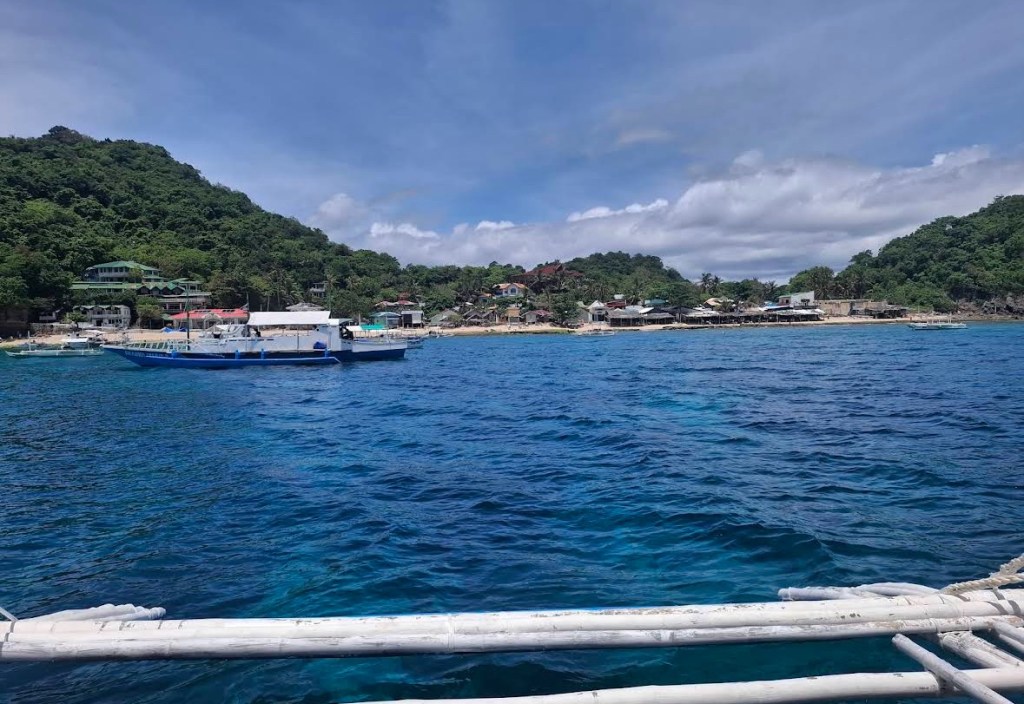
Contents
- Why I Dive
- Raja Ampat, Indonesia
- Tubbataha Reefs, Philippines
- Great Barrier Reef, Australia
- What the Ocean Taught Me
- Planning Notes
- FAQ
Why I Dive
I still remember the panic of that first breath underwater—the disbelief that lungs could work where fish swim. Then the bubbles steadied, and the ocean began to sound like a kind of listening silence. Since then, I’ve chased that feeling across Indonesia’s faraway islands, into the deep blue heart of the Philippines, and over Australia’s sprawling reefs.
Raja Ampat, Indonesia — Where Time Slows Down
On my first descent here, color arrived all at once—soft corals blooming like galaxies, tiny anthias spinning orange confetti. A manta ray rose from the blue, wider than a car and softer than a sigh. Between dives we sat on a timber jetty with coffee, watching the lagoon shift from turquoise to gold. Raja Ampat didn’t ask to be conquered. It invited me to match its rhythm: look longer, move slower, let beauty take its time.
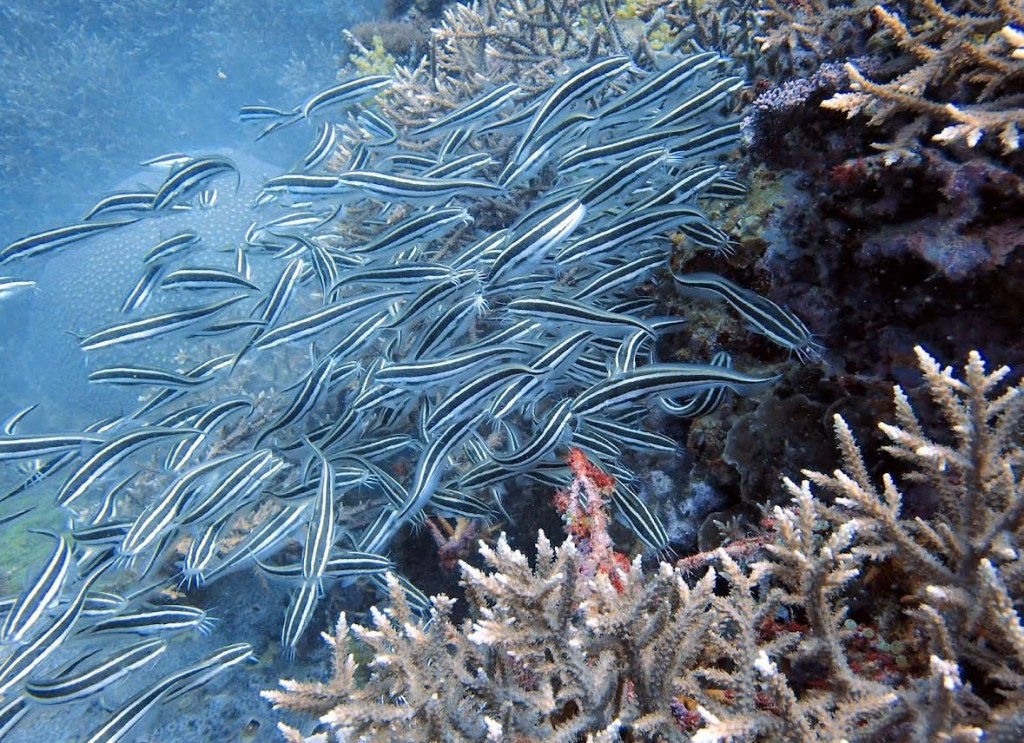
- Stay at an eco-minded dive resort or choose a liveaboard for remote sites.
- Simple photo kit works: action cam + red filter, and good buoyancy.
- Pack light and comfortable layers for humid surface intervals.
Tubbataha Reefs, Philippines — The Ocean’s Cathedral
Getting to Tubbataha felt like a pilgrimage: an overnight liveaboard crossing, then nothing but horizon. We dropped beside a vertical wall that vanished into cobalt. Sunbeams turned the reef into a cathedral; reef sharks glided like quiet ushers. At night I lay on deck under a sky so bright with stars the sea seemed to glow. Solitude here wasn’t emptiness—it was clarity.

- Liveaboard access, limited season; book early and confirm permits.
- Best for confident, current-ready divers; bring seasickness meds.
- Warm layer for breezy nights on deck; keep batteries charged between dives.
Great Barrier Reef, Australia — Finding Wonder Again
Agincourt Reef near Port Douglas made everything feel easy again: clear water, steady briefings, gentle entries. A green turtle drifted past and met my gaze—one quiet look that stayed with me longer than any wide-angle photo. Wonder doesn’t always live at the edge of difficulty. Sometimes it floats, waiting for you to notice.
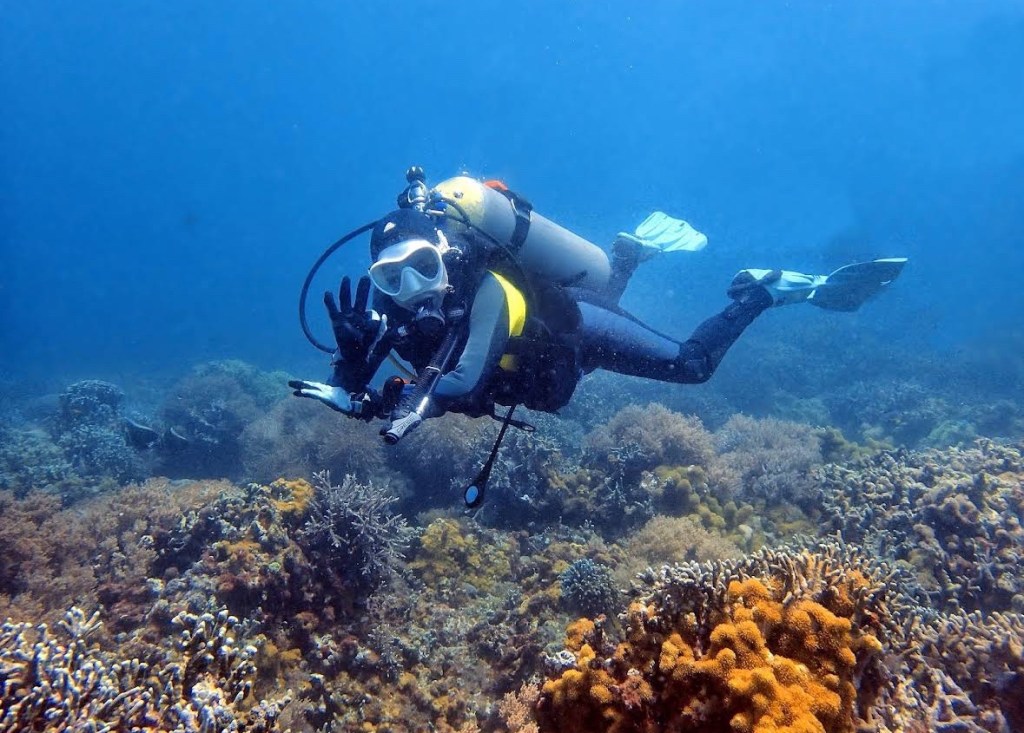
- Good for mixed-level groups; pick operators with strong reef-care practices.
- Rash guards and hats for the boat; reef-safe sunscreen only.
- Start with wide scenes; let turtles and reef lines tell the story.
What the Ocean Taught Me
- Patience: Raja Ampat reminded me that beauty doesn’t hurry.
- Humility: Tubbataha’s scale and silence put everything in proportion.
- Curiosity: The Great Barrier Reef made wonder feel accessible again.
Planning Notes
- Certification: Bring your card and logbook; refresh if needed.
- Gear: Own mask + dive computer; rent the rest locally.
- Reef care: Neutral buoyancy, reef-safe sunscreen only.
- Timing: Check seasons for visibility and liveaboard schedules.
- Pacing: Leave afternoons open for journaling and slow coffee.
FAQ
Is this itinerary beginner-friendly?
Yes for many Raja Ampat and Great Barrier Reef sites with a guide. Tubbataha suits confident divers.
What camera setup do you use?
I carry a compact action camera with a red filter and rely on steady buoyancy rather than heavy strobes.
Tags: personal scuba story, diving, Raja Ampat, Tubbataha, Great Barrier Reef, slow travel
 June Nomad
Leave a comment